What is there to do on Falsterbonäset — Skanör, Falsterbo and the seals?
Falsterbonäset: seals, birds, Skanör and the whitest sand in Skåne
L.G.foto · CC BY-SA 4.0 · Wikimedia Commons
Short answer
Falsterbonäset — "Näset" — is the low, sandy peninsula south of Malmö in Vellinge municipality, with Höllviken and Ljunghusen at the neck and the old towns of Skanör and Falsterbo at the tip. Watch harbour and grey seals on the sandbars of Måkläppen from the shore, see one of the world's richest autumn bird migrations at Nabben and Falsterbo fyr, swim from Skanör's bathing huts or Falsterbo's long white beach, and walk into the Viking Age at Foteviken. In July the peninsula hosts Falsterbo Horse Show.
Editorial answer: our opinion, based on the sources listed below. No venue has paid to appear.
A peninsula still being built by the sea
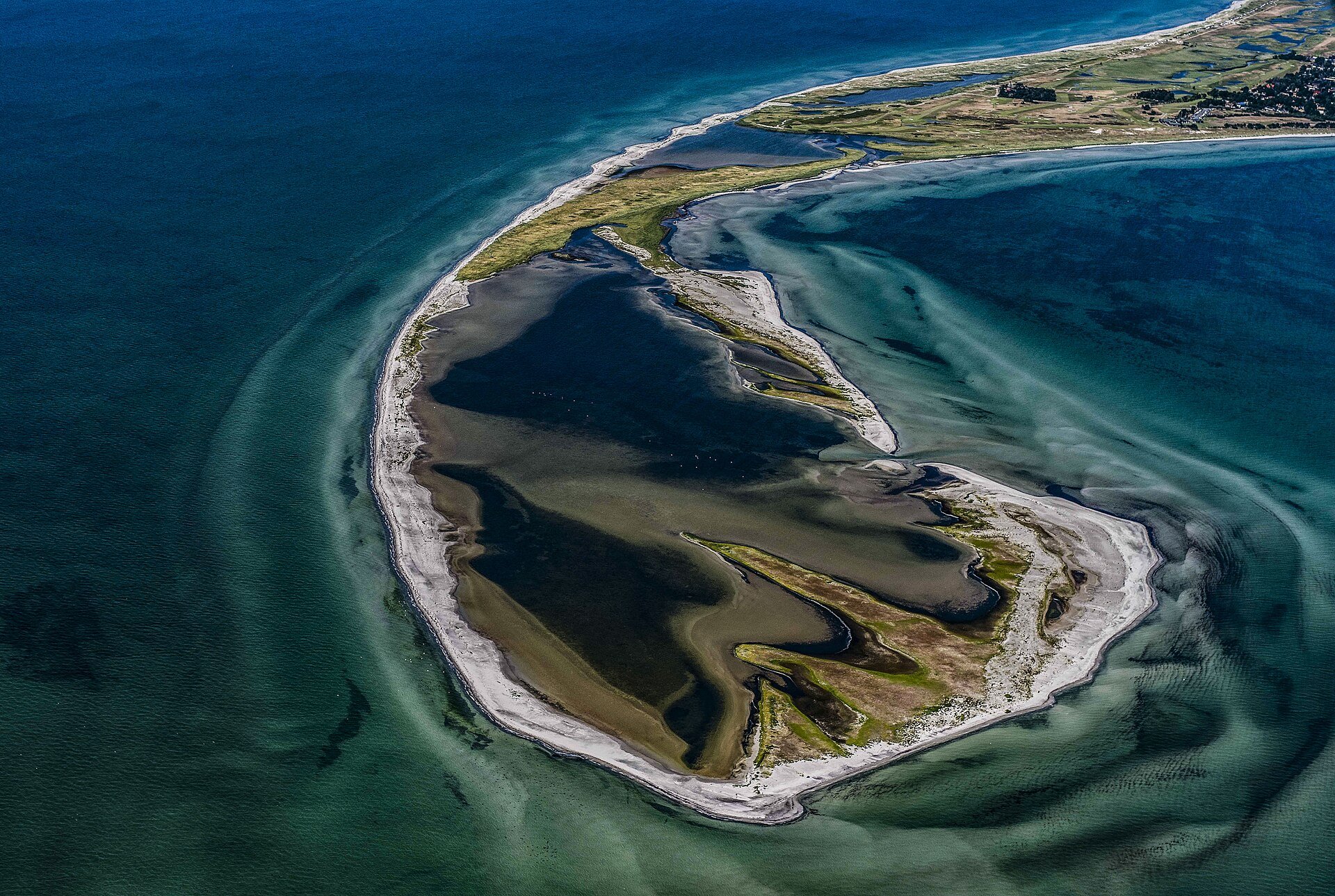
Falsterbonäset is made of sand. Länsstyrelsen Skåne describes it as a peninsula that currents, waves and wind are constantly reshaping — sandbanks come and go, lagoons open and close, and the beaches move. That is what makes it so different from the rest of Skåne: it is flat, bright and wide open, with sea on almost every side.
The peninsula starts at Höllviken and Ljunghusen, on either side of Falsterbokanalen, and runs west to Skanör and Falsterbo. In between lie golf courses, pine woods, Skanörs ljung — Sweden's largest wet heath, kept open by grazing cattle and controlled burning — and Flommen, a reserve of flat coastal meadows, lagoons and sandbars. Skåneleden runs through both reserves, so you can walk much of the peninsula on marked paths.
The seals of Måkläppen
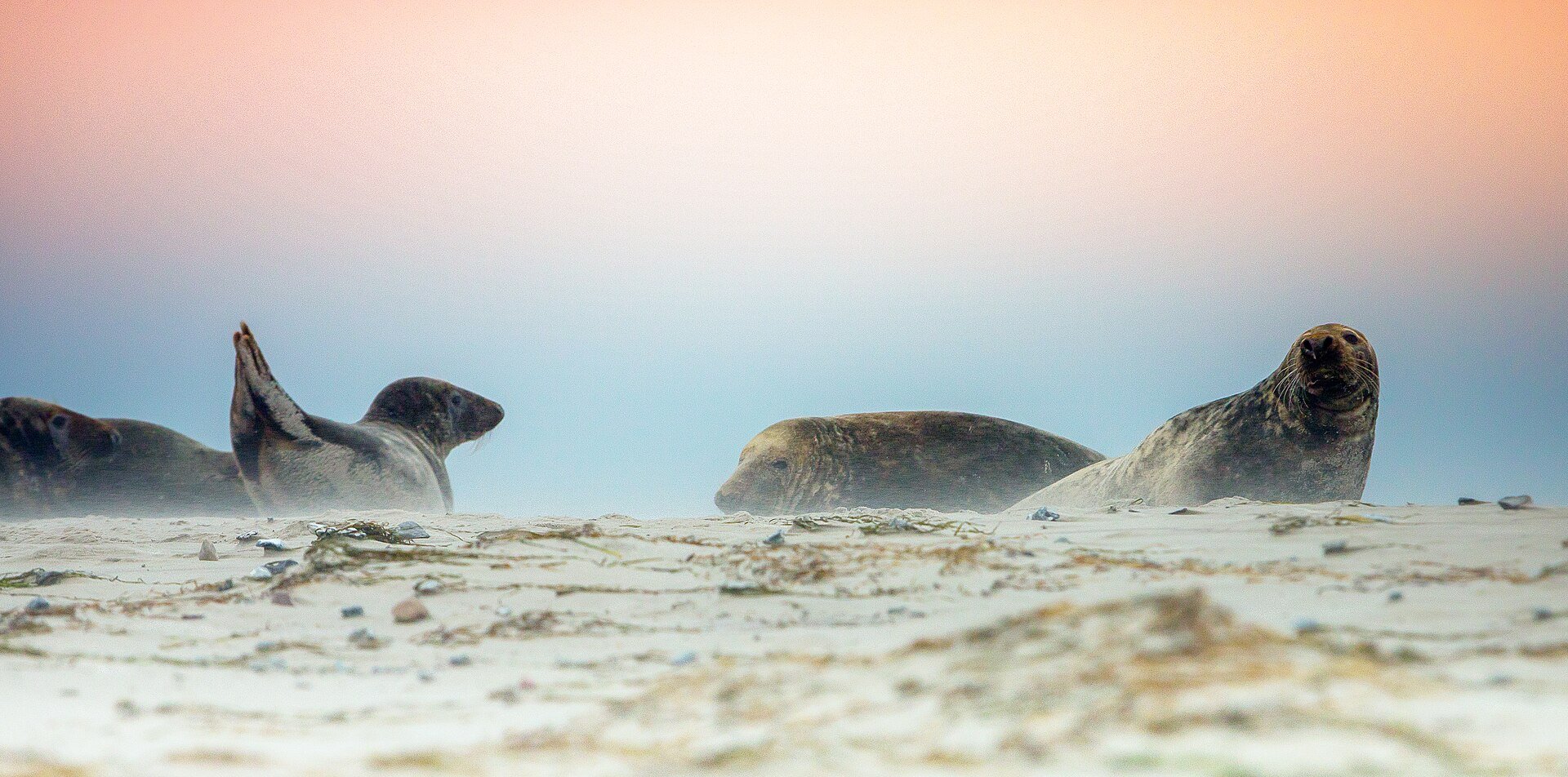
Off the southern tip lies Måkläppen, a group of shifting sandbars where, according to Länsstyrelsen Skåne, both harbour seals and grey seals haul out to rest. Seeing them lying on the sand, lifting their heads now and then, is one of the great quiet wildlife moments in southern Sweden.
The rules are strict, and they are why the seals stay. Entry is forbidden 1 February – 31 October, on the sandbars and in the water around them, two zones are closed all year, and dogs are banned. The water level can change fast, so never wade out. Bring binoculars, watch from a lawful spot on the shore by the signs, and accept that the seals decide whether to show up.
 Skåne & Danmark3
Birds by the million: Nabben and Falsterbo fyr
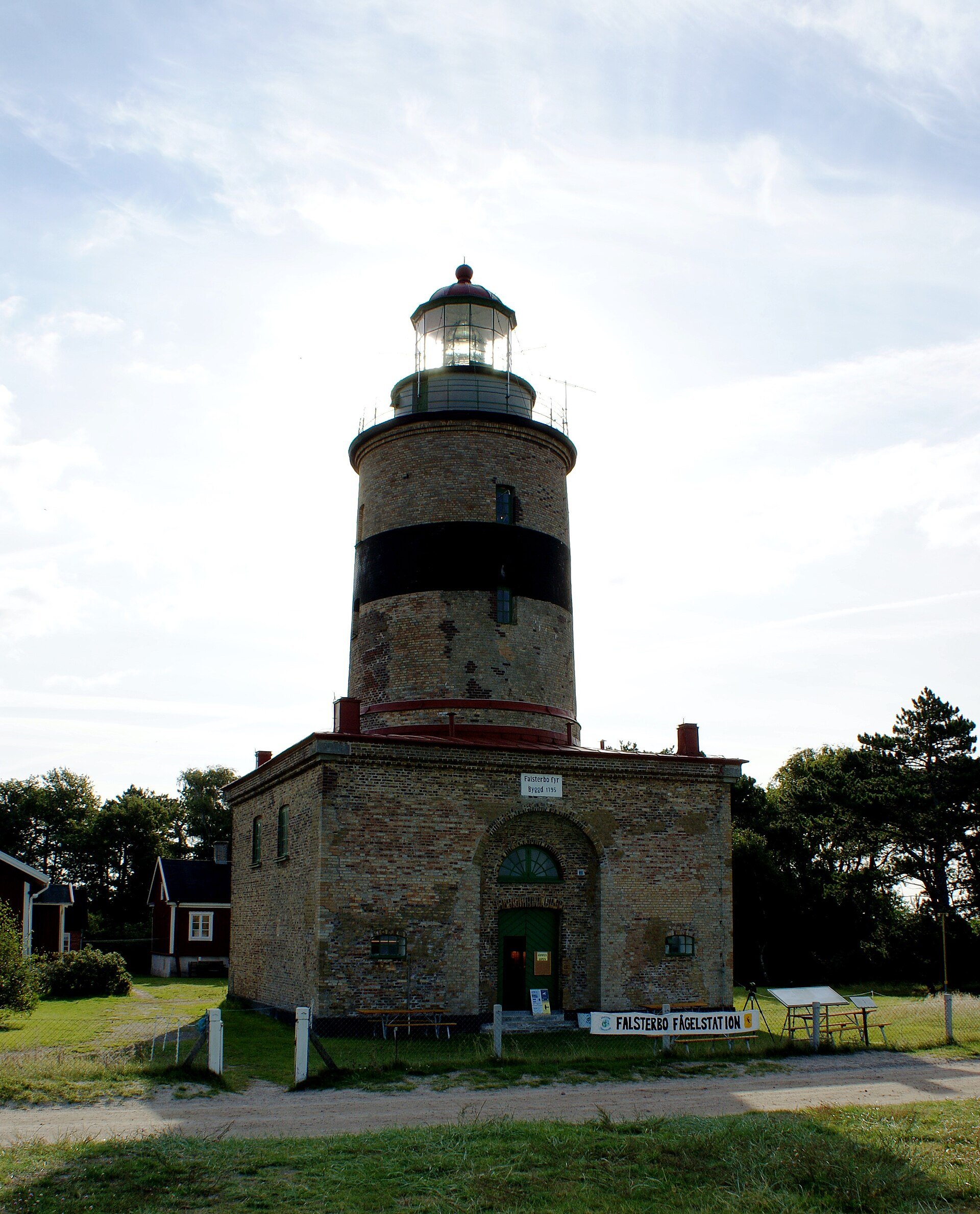
Länsstyrelsen calls Falsterbo one of the world's richest areas for birds in late summer and autumn. Birds heading south gather on the peninsula before crossing the sea, and Nabben, the south-western point, has been a counting site in most autumns since the early 1940s. Falsterbo fågelstation highlights seabirds, songbirds and raptors — the raptors best in south-westerly winds, circling over Skanörs ljung in September.
The lighthouse, Falsterbo fyr, dates from 1796 and was designed by Olof Tempelman; it started as a coal-fired light with homes for its keepers. Around it is a sheltered alternative to Nabben on windy days. Keep away from the bird station's catching nets, and bring binoculars — you don't need to be a birder to feel the scale of it.
 Skåne & Danmark
Skanör and Falsterbo: herring, churches and bathing huts
In the Middle Ages this sandy tip was one of the busiest places in the north: the great herring market, the Skånemarknaden, linked to the Hanseatic trade, filled it with merchants and fishermen every autumn. Skanör and Falsterbo were merged into one town in 1754. Two medieval churches remain — S:t Olofs kyrka in Skanör and S:ta Gertruds kyrka in Falsterbo — and out in Flommen you can find the castle mound and moat of Skanörs borg. Falsterbohus, another castle, was attacked in 1311 and rebuilt by 1318, before falling into decline.
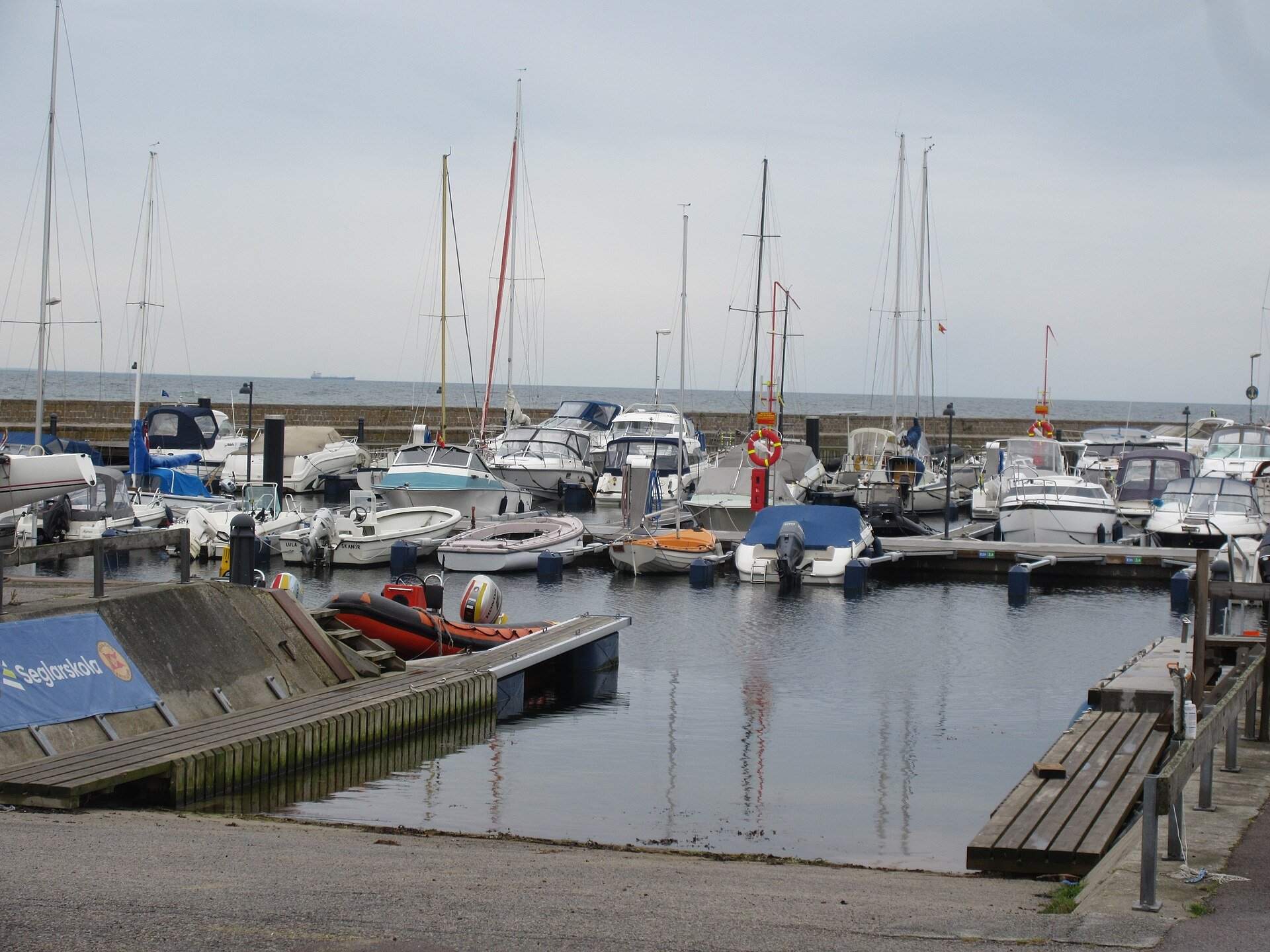
Today Skanör is a summer town of low houses around a lively harbour, with colourful bathing huts along Skanör havsbad right beside it. Falsterbo has the long white strandbad, described by Vellinge as 4.5 km of white sand, dunes and shallow water. Eat by the harbour in Skanör — Rögeriet has its restaurant and shop at Hamnvägen 1.
 Skåne & Danmark
Höllviken: Vikings and a wartime canal
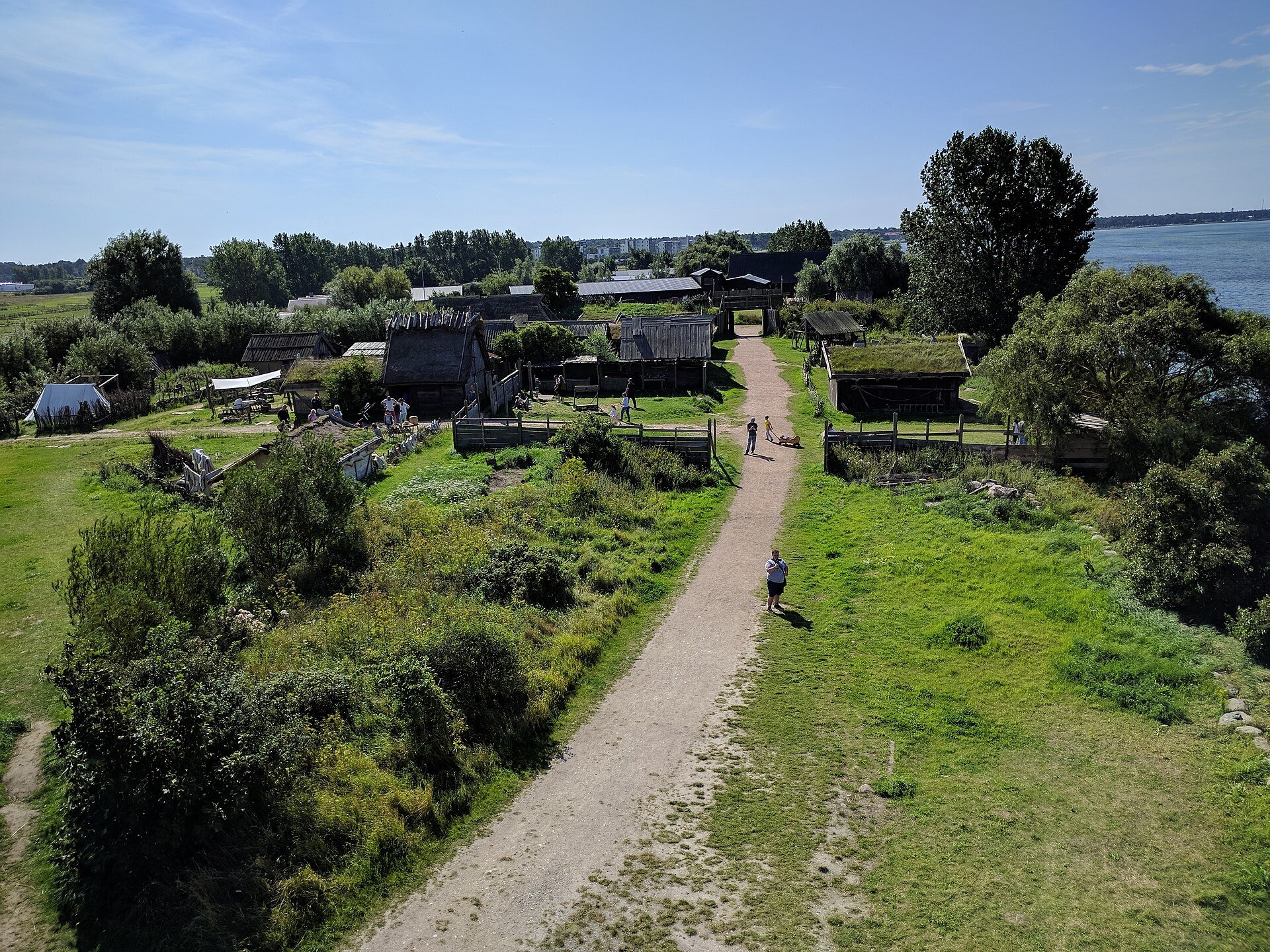
At the neck of the peninsula, Fotevikens Vikingaby at Museivägen 27 in Höllviken is a Viking village reconstructed from archaeological evidence, telling the story of the late Viking Age and early Middle Ages. Nearby, Falsterbokanalen cuts across the peninsula between Höllviken and Ljunghusen. It links Öresund and the Baltic and was built after German mines threatened shipping in the Second World War; the first vessel passed on 1 August 1941. Walk along it past the marina, then swim at Kämpinge, Höllviken's broad white beach backed by pines.
 Skåne & Danmark
Beaches, golf and dogs
Vellinge's four best-known beaches are all on the peninsula: Skanör havsbad by the harbour, Falsterbo strandbad, Ljungskogens havsbad in Ljunghusen with a jetty, and Kämpinge in Höllviken. All are sandy and shallow — ideal with children. Dogs are not allowed on Vellinge's bathing beaches and dunes 15 May – 31 August, 09:00–19:00; the dog beach is north of Skanör harbour.
Golf is a big part of Näset: Falsterbo Golfklubb, Ljunghusens Golfklubb and Flommens Golfklubb all have their courses here, between the heath, the dunes and the sea.
Getting there and planning the day
Näset is the closest of Skåne's great coastal landscapes to Lomma. By car, follow the E6 south towards Trelleborg and take the Skanör–Falsterbo exit onto road 100. By bus, SkåneExpressen 15 from Malmö now ends at Skanör Haga, with regional line 300 continuing through Skanör and Falsterbo; check Skånetrafiken's journey planner before you go.
Our suggested day: Fotevikens Vikingaby and the canal in the morning, lunch by Skanör harbour, a swim from the bathing huts, then out to Falsterbo fyr and the shore facing Måkläppen with binoculars in the late afternoon light. In September, swap the swim for the bird migration at Nabben.
Also worth a look
- Skåne & Danmark
- Skåne & Danmark3
- Skåne & Danmark
- Skåne & Danmark